
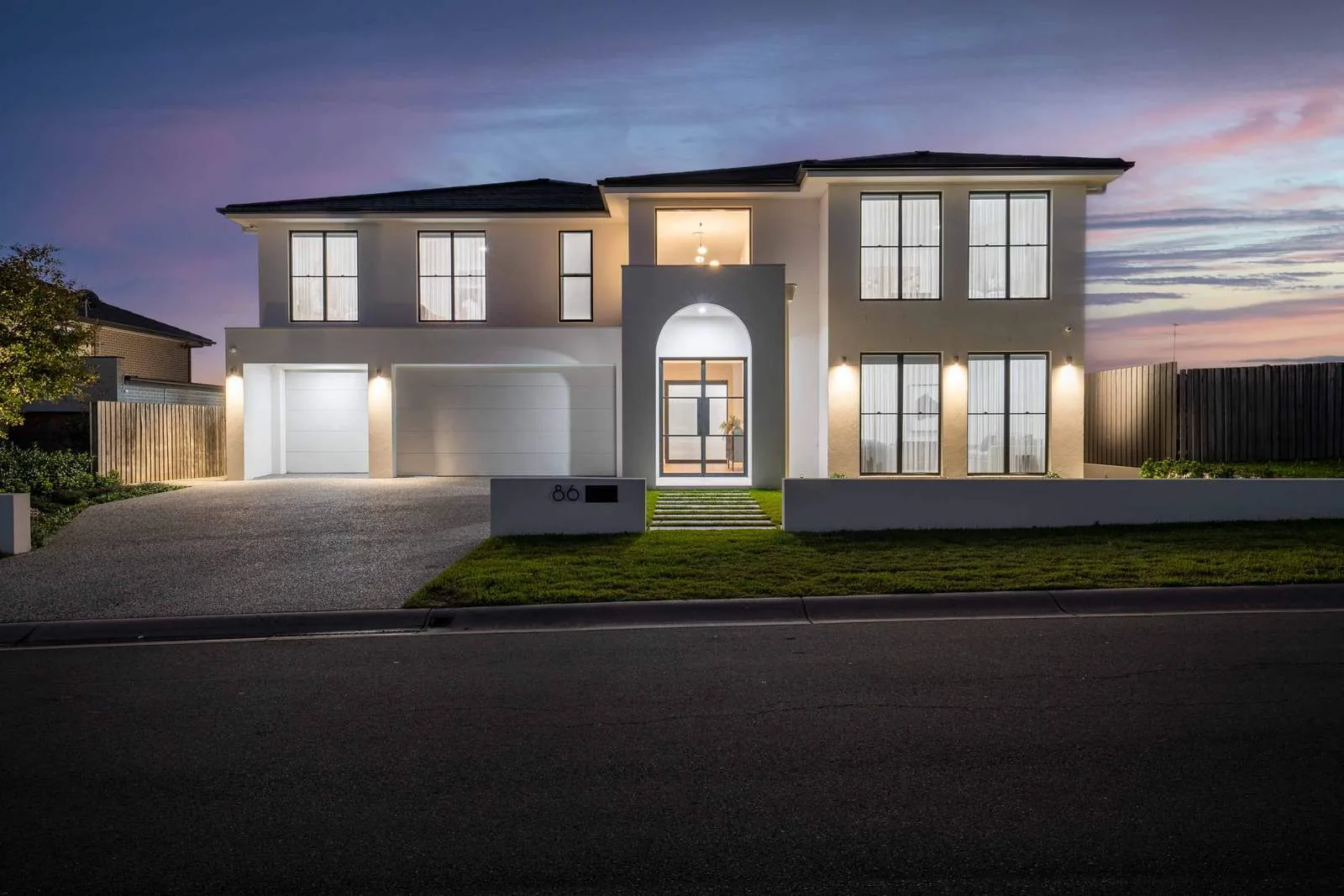
The honest answer is no, not in any way you can plan around. I gave that answer on a podcast in 2023 and again this month, and the reasons have changed in between. In 2023 the causes were temporary. In 2026 they are structural, and that matters for how you plan a build.
How we got here
Covid broke the supply of everything at once. For a stretch you could not get timber, and jobs sat for three to six months waiting on a frame. One of our kitchen companies could not get left hand drawer runners. Labour went home to other countries and was not replaced, and the workforce that stayed kept getting older. At the same time the whole world stopped spending on travel and started renovating, so demand went up while supply went down.
By my reckoning the cost of building rose at least 30 percent in about two years. Then it plateaued. What it did not do is fall, because as anyone in this industry will tell you, prices do not go backwards.
Why the old lever is gone
In every downturn I have worked through, building got cheaper for a while. Trades dropped their rates to stay busy and the big suppliers discounted to move stock. That is the lever people are waiting on now, and I do not think it exists any more.
The trades are leaving the industry and they are not being replaced. So even in a slowing market their prices are going up, because there are fewer of them every year. The HIA’s trades report for the June quarter backs that up: trade prices rose 5.1 percent in the first half of 2026, the fastest six month rise since the worst of the post Covid shortage, and Sydney is still short of bricklayers, tilers, roofers and carpenters in particular.
On the materials side, a couple of big players now own whole categories. Bricks are the obvious one. When everyone buys from the same one or two suppliers, nobody needs to pull their prices back. The ABS measured house construction prices rising 2.0 percent in the June quarter alone, in New South Wales as much as anywhere, the biggest quarterly jump since 2022.
So the cost of building is not falling in a downturn. It is still rising in one.
So the pressure lands on land
This year I went looking for a block to build on for my own family. On the blocks I looked at, the land was around $1.5 million and the house around $1 million, and the finished home would have sold for less than the two added together. Even at 80 percent of the asking price I could not make it stack up. A few years ago you could count on the land rising while you built. Now you have to allow for it falling.
If people cannot build and at least break even, land has to come down, because building will not. That is not a prediction I enjoy making as a builder, but I cannot see another way the numbers resolve. It also makes what you check before you buy the block more important than it has ever been.
Who this is hardest on
The market has tightened, and I am not going to pretend otherwise. But good trades and good builders still have work. The businesses under the most pressure are the ones that have to feed a machine: volume builders with hundreds of contracts, many signed at yesterday’s prices, and a lot of greenfield work that is now running out. Speaking in September 2026, I do not think all of that pain has arrived yet.
A builder taking on a handful of projects a year can wear one going wrong. A builder with hundreds cannot. I will write about why size is not the same thing as safety in a separate piece, because it deserves one.
Getting to site is its own cost
The time it takes to get a project from approval to a slab in Sydney has become a cost in itself. Councils are slow, consultants are backlogged, and there are more rules than there were. Developers are moving work to Queensland because a set of units goes up there in a quarter of the time. Every month a project waits is a month of price movement on a quote that was priced for today.
What you can actually control
- Buy the block for building, not for the view. Fall, access and shape set the budget before the plan exists. Here is what to check.
- Price the outside from day one. Retaining, driveway, pool and garden are part of the build, and leaving them out is how a budget breaks. It is why home, pool and garden sit under one contract with us.
- Get the builder in before the plans are finished. The cheapest changes are the ones made on paper. How we work alongside your architect.
- Fix the price where the scope is fixed. With documented plans we quote a fixed price under an HIA contract, so the number you sign is the number you build to.
- Decide, then move. A tender is a price for now. In the current market, waiting six months for a better one has cost every client I have seen try it.
- Build to the street, not to the dream. Over capitalising was risky when values only went up. It is riskier now.
Hear it in my own words
The 2026 view is from a conversation with Andrew Romano recorded on 9 September 2026: the land that did not stack up, from 6:22, and why trades and materials are not getting cheaper, from 8:35. The 2023 view is from The Mortgage Chat, from 22:36. The figures above are from the ABS Producer Price Indexes, June 2026 and the HIA Trades Report, June quarter 2026. Both will move; the argument will not.